|
|
|
Please share your messages, questions, concerns, or ideas. >
Educational Equity: Closing the Achievement Gap
Educational Equity: Closing the Achievement Gap
Page:
1
Guest
Guest
Dec 24, 2025
3:35 AM

|
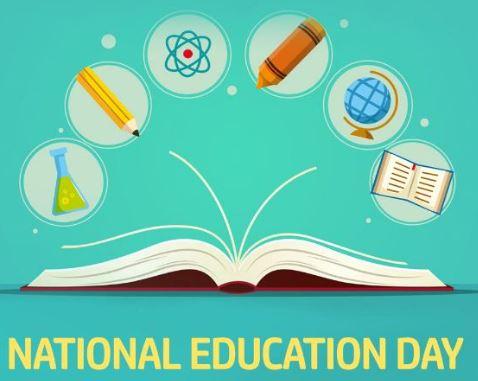
Education is one of the most powerful tools for personal growth and social development. It shapes the way individuals think, behave, and interact with the world around them. In modern society, education is not only a means of acquiring knowledge but also a foundation for economic progress, social equality, and innovation.
At its core, education helps individuals develop critical thinking and problem-solving skills. Through education, people learn how to analyze information, ask meaningful questions, and make informed decisions. These skills are essential in a world that is constantly changing due to advances in technology, science, and global communication. An educated individual is better prepared to adapt to new challenges and opportunities.
Education also plays a vital role in economic development. Countries with strong educational systems tend to have higher employment rates, better productivity, and improved standards of living. When people receive quality education, they gain skills that make them employable and capable of contributing to the workforce. This not only benefits individuals but also strengthens national economies and reduces poverty.
Another important aspect of education is its role in promoting social equality. Education provides individuals from different backgrounds with opportunities to improve their lives. When access to education is fair and inclusive, it helps reduce social and economic disparities. Educated citizens are more likely to understand their rights and responsibilities, participate in civic activities, and support democratic values.
In addition, education fosters moral and ethical values. Schools and educational institutions help shape character by teaching discipline, respect, honesty, and cooperation. These values are essential for building peaceful and responsible communities. Education encourages tolerance and understanding among people of different cultures, religions, and traditions, promoting harmony in diverse societies.
get more info
The role of education has expanded significantly in the digital age. Modern education goes beyond textbooks and classrooms, incorporating technology such as online learning platforms, virtual classrooms, and digital resources. This has made education more accessible to people around the world, allowing learners to study anytime and anywhere. However, it also highlights the need for digital literacy so individuals can use technology responsibly and effectively.
Despite its importance, education still faces many challenges. In many parts of the world, access to quality education remains limited due to poverty, lack of resources, and social barriers. Addressing these challenges requires collective efforts from governments, communities, and individuals to invest in educational infrastructure, teacher training, and inclusive policies.
In conclusion, education is the backbone of a progressive society. It empowers individuals, strengthens economies, promotes equality, and supports sustainable development. By prioritizing education and ensuring equal access for all, societies can build a better, more informed, and more prosperous future.
|
Post a Message
|
|