|
|
|
Please share your messages, questions, concerns, or ideas. >
Why Education Should Be a Tool for Promoting Globa
Why Education Should Be a Tool for Promoting Globa
Page:
1
Guest
Guest
Dec 30, 2025
9:30 AM

|
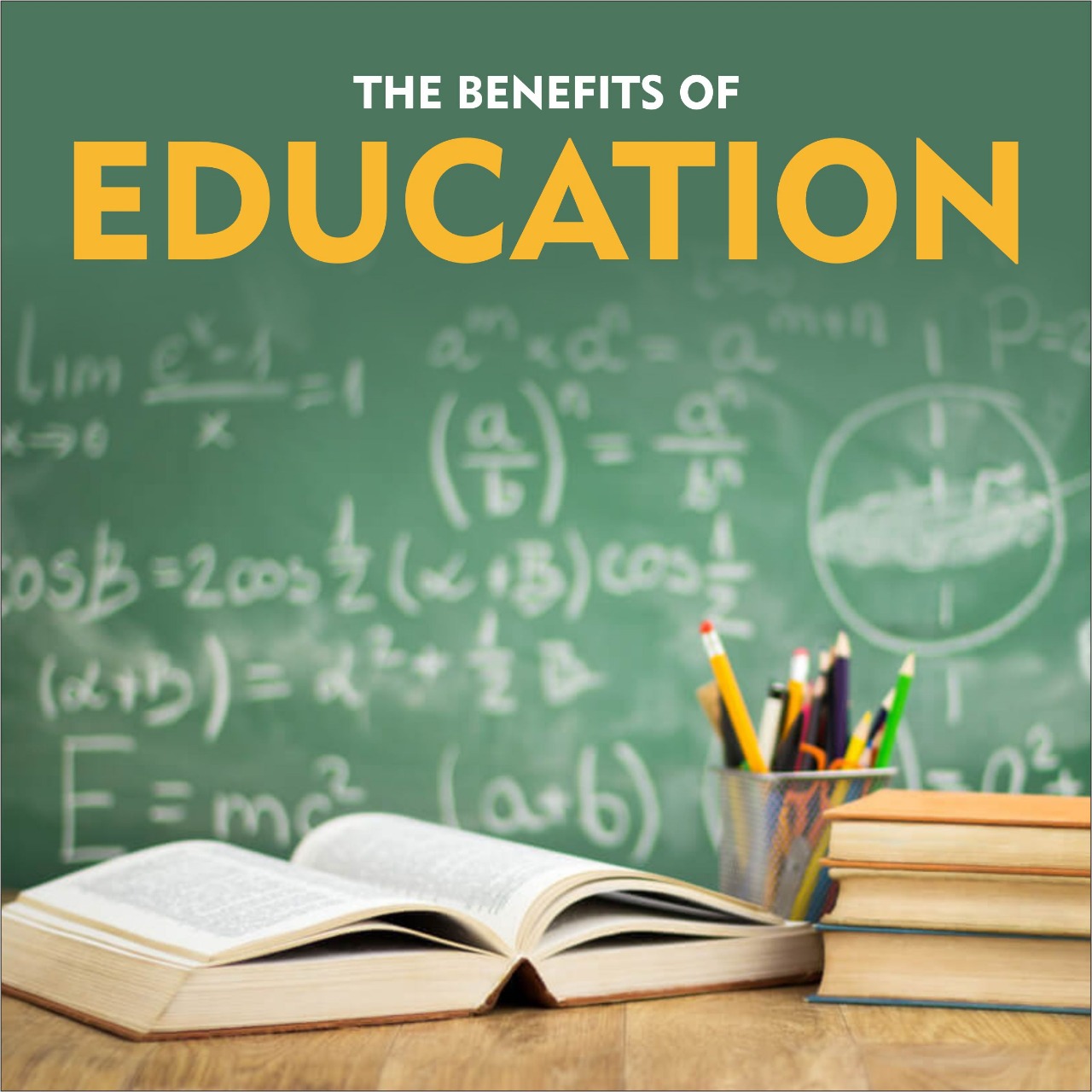
Education has always been the cornerstone of human progress. From ancient civilizations to the modern digital age, the way we educate and the purpose behind education have undergone tremendous transformations. This article explores the evolution of education, the challenges and opportunities it presents, and the vital role it plays in shaping individuals, societies, and the world at large.
1. The Early Foundations of Education
In ancient times, education was often informal and passed down through oral traditions. Early forms of schooling were typically reserved for the elite. In Egypt, Mesopotamia, and ancient Greece, for example, education was largely about preserving and transmitting knowledge of religion, governance, and commerce. In these societies, scribes, philosophers, and priests were among the few educated members.
Education in the classical world emphasized learning as a means to develop moral character and civic responsibility. The Greek philosopher Plato, in particular, advocated for a structured education system, which focused on nurturing intellect and virtue. These early philosophical and intellectual traditions set the stage for modern education systems, even though they remained exclusive to certain classes.
2. The Rise of Formalized Education Systems
The Industrial Revolution in the 18th and 19th centuries marked a turning point in education. As economies shifted from agrarian to industrial, the need for a more educated workforce became apparent. This led to the creation of formal schooling systems in many parts of the world. Governments began to recognize the importance of widespread education as a means to drive innovation, economic growth, and social stability.
The concept of universal education began to take shape during this period. Pioneers like Horace Mann in the United States and the educational reform movements in Europe advocated for free, public, and compulsory education. The goal was to provide basic literacy and numeracy to all children, regardless of their social status, to ensure equal opportunities for personal development and national progress.
3. The 20th Century: Expansion, Innovation, and Standardization
In the 20th century, education systems expanded even further. The rise of public schooling and the spread of universities allowed people to access more advanced and specialized knowledge. The advent of technology, particularly the invention of the computer, played a major role in transforming how education was delivered. The educational experience was no longer confined to textbooks and chalkboards, and classrooms became more interactive, with the introduction of visual aids and multimedia.
The development of standardized testing and curricula also marked this period. Nations and states implemented education policies to standardize teaching materials, ensure consistency, and track students' progress. However, the push for standardization also led to debates about the flexibility and creativity in learning, with critics arguing that a one-size-fits-all approach could stifle critical thinking and innovation.
4. The Digital Revolution: Shaping Education for the Future
In recent decades, the internet and digital technology have dramatically reshaped education. The internet has made vast amounts of information and resources accessible to anyone with a connection. Online learning platforms, like Coursera, edX, and Khan Academy, offer courses from top universities to people across the globe, democratizing access to high-quality education.
The concept of lifelong learning has also gained prominence. With industries constantly evolving and new technologies emerging, individuals must continue to adapt by gaining new skills throughout their lives. The traditional model of education—focused on a fixed number of years—is being replaced by more flexible, self-directed learning paths. Additionally, the rise of artificial intelligence, machine learning, and data analytics is already starting to impact personalized learning, where education systems adapt to the needs and abilities of individual students.
5. Challenges Facing Modern Education
While education has made tremendous strides, many challenges remain. In some regions of the world, access to education is still limited, particularly for girls, marginalized groups, or communities in conflict zones. Even in developed countries, disparities in the quality of education between urban and rural areas, and among different socio-economic groups, continue to persist.
The digital divide is another critical issue. While the internet offers vast opportunities for learning, not everyone has equal access to the necessary technology or the skills to use it effectively. The COVID-19 pandemic, for example, highlighted the stark inequalities in access to online learning platforms, with many students falling behind due to a lack of resources.
Furthermore, the traditional educational model is increasingly being questioned. Many educget more infoators, parents, and students are pushing for a more holistic approach to education—one that values emotional intelligence, creativity, and critical thinking as much as academic achievement. The rigid structure of exams and grades is being rethought, as educators focus on developing well-rounded individuals capable of thriving in an ever-changing world.
6. The Role of Education in Shaping Society
Education plays a crucial role in shaping society by promoting equality, fostering innovation, and creating engaged citizens. The way a society educates its people influences its cultural values, economic development, and social cohesion.
An educated population is more likely to be involved in community decision-making, vote in elections, and engage in civic activities. Furthermore, education fosters social mobility by providing individuals with the tools to escape poverty and improve their lives. As economies move toward knowledge-based industries, an educated workforce is essential for maintaining global competitiveness.
7. The Future of Education: Possibilities and Predictions
As we look ahead, the future of education seems bright but uncertain. The integration of technology will continue to evolve, providing new opportunities for interactive and immersive learning experiences. Virtual reality (VR) and augmented reality (AR) could become mainstream tools in classrooms, allowing students to experience lessons in entirely new ways.
Global collaboration in education will also increase, with schools and universities forging partnerships across borders to share resources and knowledge. Education could become more personalized, with AI-powered systems tailoring lessons to the individual needs and preferences of students.
At the same time, the societal role of education may shift. Instead of focusing solely on academic knowledge, schools may increasingly prioritize preparing students for a rapidly changing world—fostering resilience, adaptability, and a sense of global citizenship.
Conclusion
The evolution of education reflects the changing needs of society and the continuous pursuit of progress. While the challenges of today remain complex, the potential for education to transform lives and societies remains limitless. As technology advances and global connectivity grows, education will continue to play a vital role in shaping the future. By embracing innovation, inclusivity, and adaptability, education can be the key to solving some of the world’s most pressing problems and creating a better future for all.
|
Post a Message
|
|