|
|
|
Please share your messages, questions, concerns, or ideas. >
Solar Contractor Solutions for Multi-Story Residen
Solar Contractor Solutions for Multi-Story Residen
Page:
1
Guest
Guest
Jan 11, 2026
12:39 AM

|
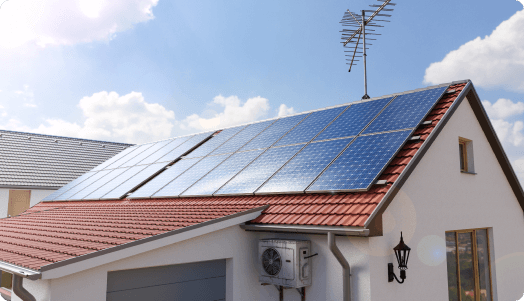
As the world shifts toward cleaner and more sustainable energy sources, solar power has emerged as one of the most accessible and effective solutions. At the center of this transition is the solar contractor—a specialized professional responsible for designing, installing, and maintaining solar energy systems. Solar contractors play a critical role in helping homeowners, businesses, and institutions reduce energy costs while lowering their environmental impact.
What Is a Solar Contractor?
A solar contractor is a licensed professional or company that specializes in solar photovoltaic (PV) systems and, in some cases, solar thermal systems. Unlike general electrical contractors, solar contractors have specific training and experience in renewable energy technologies, local building codes, and utility interconnection requirements.
Their work typically includes:
Site evaluation and energy assessments
System design and engineering
Permitting and regulatory compliance
Installation of solar panels and related equipment
System testing, commissioning, and maintenance
Key Responsibilities of a Solar Contractor
1. Site Assessment and Feasibility
Before installation begins, a solar contractor evaluates the property to determine whether solar is a viable option. This includes analyzing roof condition, orientation, shading, structural integrity, and local climate. Contractors also assess the customer’s energy usage to recommend an appropriately sized system.
2. System Design and Planning
Based on the assessment, the contractor designs a customized solar solution. This involves selecting the right panels, inverters, mounting systems, and battery storage (if applicable). A well-designed system maximizes energy production, efficiency, and long-term reliability.
3. Permitting and Compliance
Solar installations must meet local building codes, electrical standards, and utility regulations. Solar contractors handle the permitting process, coordinate inspections, and ensure the system complies with all legal and safety requirements—saving customers time and complexity.
4. Installation and Integration
Installation is one of the most critical phases. Solar contractors mount panels securely, install wiring and inverters, and integrate the system with the existing electrical infrastructure. Proper installation ensures system performance, safety, and longevity.
5. Maintenance and Support
After installation, many solar contractorinverterss provide ongoing maintenance services such as inspections, cleaning, monitoring, and repairs. This helps maintain optimal energy production and extends the life of the system.
Why Hiring a Qualified Solar Contractor Matters
Choosing the right solar contractor can make the difference between a high-performing system and one that underdelivers. Qualified contractors bring technical expertise, industry knowledge, and practical experience that reduce risks and maximize return on investment.
Key benefits of working with a professional solar contractor include:
Correct system sizing and placement
Compliance with safety and electrical standards
Access to warranties and manufacturer-approved installation
Long-term performance and reliability
Guidance on incentives, rebates, and tax credits
Certifications and Qualifications to Look For
When selecting a solar contractor, customers should look for relevant licenses and certifications. Common qualifications include:
Electrical or solar contractor licenses (as required by local authorities)
NABCEP (North American Board of Certified Energy Practitioners) certification
Manufacturer training and accreditation
Proven project portfolio and customer references
These credentials demonstrate professionalism, technical competence, and commitment to industry best practices.
Solar Contractors and the Future of Energy
Solar contractors are not just installers—they are key contributors to the global renewable energy movement. By enabling the adoption of solar power, they help reduce dependence on fossil fuels, lower greenhouse gas emissions, and promote energy independence.
As technology evolves, solar contractors are increasingly working with advanced solutions such as battery storage, smart inverters, electric vehicle (EV) chargers, and energy management systems. This positions them at the forefront of a smarter, cleaner energy future.
Conclusion
A solar contractor plays a vital role in turning sunlight into usable, reliable energy. From initial consultation to long-term system support, these professionals ensure that solar investments are safe, efficient, and sustainable. As demand for renewable energy continues to grow, solar contractors will remain essential partners in building a more resilient and environmentally responsible energy system
|
Post a Message
|
|