|
|
|
Please share your messages, questions, concerns, or ideas. >
Expert Solar Contractor for Turnkey Solar Panel In
Expert Solar Contractor for Turnkey Solar Panel In
Page:
1
Guest
Guest
Jan 12, 2026
8:09 AM

|
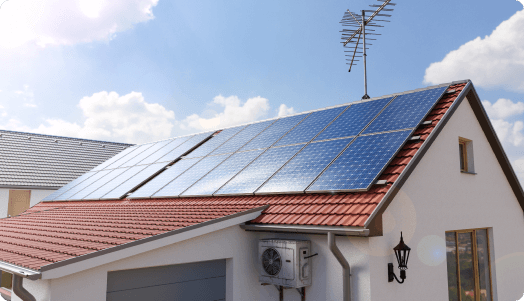
As the world searches for cleaner and more reliable energy sources, solar panels have emerged as one of the most promising solutions. By converting sunlight into electricity, solar panels provide renewable energy that reduces environmental impact while offering long-term economic benefits.
What Are Solar Panels?
Solar panels are devices made up of photovoltaic (PV) cells that capture sunlight and convert it into electrical energy. These cells are typically made from silicon, a semiconductor material that generates an electric current when exposed to sunlight. Multiple panels are often connected together to form a solar power system capable of supplying energy to homes, businesses, and even entire power plants.
How Do Solar Panels Work?
When sunlight strikes a solar panel, the PV cells absorb the light’s energy. This energy knocks electrons loose within the cell, creating an electric current. An inverter then converts this direct current (DC) into alternating current (AC), which is the type of electricity used in most buildings. The generated power can be used immediately, stored in batteries, or fed back into the electrical grid.
Benefits of Solar Panels
One of the greatest advantages of solar panels is that they use a renewable and abundant energy source—the sun. Unlike fossil fuels, solar energy produces no harmpv panelsful emissions during operation, helping to combat climate change and improve air quality. Additionally, installing solar panels can significantly reduce electricity bills and protect users from rising energy costs. In many regions, governments offer incentives or tax credits to encourage solar adoption.
Types of Solar Panels
There are three main types of solar panels:
Monocrystalline panels, known for high efficiency and long lifespan.
Polycrystalline panels, which are more affordable but slightly less efficient.
Thin-film panels, which are lightweight and flexible, often used in specialized applications.
Each type has its own advantages depending on budget, space, and energy needs.
Challenges and Limitations
Despite their benefits, solar panels also face challenges. Their efficiency depends on sunlight availability, which can vary by location and weather conditions. Initial installation costs can be high, although prices have decreased significantly in recent years. Energy storage systems, such as batteries, may be required for consistent power supply during nighttime or cloudy days.
The Future of Solar Energy
Advances in technology continue to improve solar panel efficiency, durability, and affordability. Innovations such as bifacial panels, solar roofs, and improved battery storage are making solar energy more accessible than ever. As global demand for clean energy grows, solar panels are expected to play a vital role in the transition to a sustainable energy future.
Conclusion
Solar panels represent a powerful step toward cleaner energy and environmental responsibility. By harnessing the sun’s energy, they offer a sustainable, cost-effective solution that benefits individuals, communities, and the planet. As technology evolves, solar power will likely become an even more integral part of how the world generates electricity.
|
Post a Message
|
|