Guest
Guest
Feb 10, 2026
12:44 AM

|
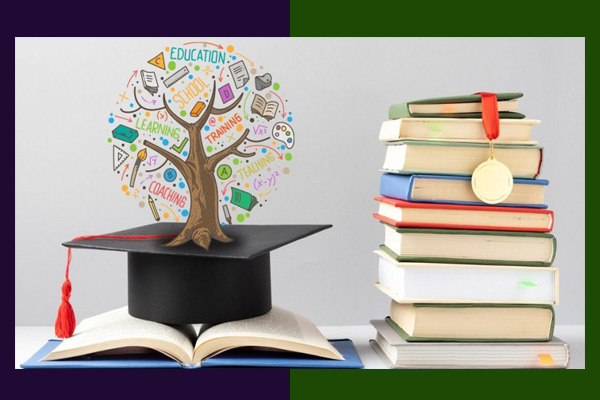
Education is one of the most influential forces in human life, shaping not only knowledge but also character, values, and opportunities. It serves as a foundation for personal growth, social development, and global progress. Through education, individuals acquire skills, critical thinking, and emotional intelligence that enable them to navigate complex challenges, make informed decisions, and contribute meaningfully to society. Education is not limited to the classroom; it occurs in homes, communities, workplaces, and through digital platforms. It empowers people to understand themselves and the world, fostering empathy, resilience, and innovation. Every advancement in civilization—from scientific discoveries to social reforms—has been closely linked to the spread of education, highlighting its central role in human progress.
The Role of Early Childhood Education in Building a Strong Foundation for Lifelong Learning
The earliest years of life are critical for brain development and lifelong learning. Early childhood education introduces children to language, numbers, social interaction, and problem-solving skills. It nurtures curiosity, creativity, and emotional regulation, laying the groundwork for future academic and personal success. When children are exposed to stimulating learning environments during their formative years, they develop stronger cognitive abilities and a love for learning. Programs that focus on early childhood education also have long-term societal benefits, including reduced crime rates, improved health, and greater economic productivity. Recognizing the importance of this stage ensures that education becomes a continuous, lifelong journey rather than a fragmented experience.
Primary Education as the Cornerstone of Literacy, Numeracy, and Fundamental Skills
Primary education provides the essential building blocks for knowledge, offering children the opportunity to develop reading, writing, and basic mathematical skills. Beyond academics, it teaches essential life habits, including discipline, curiosity, and problem-solving. A strong primary education equips students with the ability to think independently and understand foundational concepts that will support advanced learning. The quality of primary education significantly impacts a child’s future performance, influencing secondary and higher education outcomes. A primary education system that emphasizes understanding, creativity, and engagement fosters get more info confident learners who can approach challenges with resilience and critical thinking.
Secondary Education as a Bridge Between Early Learning and Future Opportunities
Secondary education plays a critical role in shaping a student’s identity, interests, and career aspirations. It expands on foundational knowledge while introducing more complex subjects, critical thinking, and independent learning skills. This stage helps students develop self-awareness, social understanding, and the ability to analyze and synthesize information. Secondary education also provides exposure to vocational options, technology, arts, and sciences, guiding students toward suitable career paths or higher education opportunities. Emotional and mental health support during this stage is equally important, as adolescents face significant social and personal challenges that can affect learning. A well-designed secondary education system prepares students to navigate adulthood with confidence, competence, and ethical understanding.
Higher Education as a Platform for Advanced Knowledge, Research, and Professional Expertise
Higher education serves as a launchpad for specialized knowledge, research, and professional development. Universities and colleges equip students with skills necessary for complex problem-solving, innovation, and leadership. Higher education emphasizes independent thinking, collaboration, and advanced analytical abilities while connecting academic learning with real-world applications. Access to higher education enables individuals to pursue careers in science, medicine, technology, law, arts, and other fields that shape society. It also fosters critical inquiry, ethical reasoning, and global awareness. A strong higher education system balances theoretical knowledge with practical experience, internships, research projects, and community engagement, preparing graduates to contribute meaningfully to societal and economic development.
Vocational and Technical Education as a Pathway to Practical Skills and Economic Empowerment
Vocational and technical education provides students with practical skills that directly translate into employment opportunities and entrepreneurial ventures. Professions in healthcare, technology, construction, design, and service industries depend on skilled workers trained through vocational programs. This form of education addresses labor market needs, reduces unemployment, and enhances productivity. Vocational training allows individuals to achieve financial independence, adapt to technological advancements, and contribute to community development. Societies that value vocational education create a diversified workforce capable of sustaining economic growth and addressing practical challenges with efficiency and innovation.
|